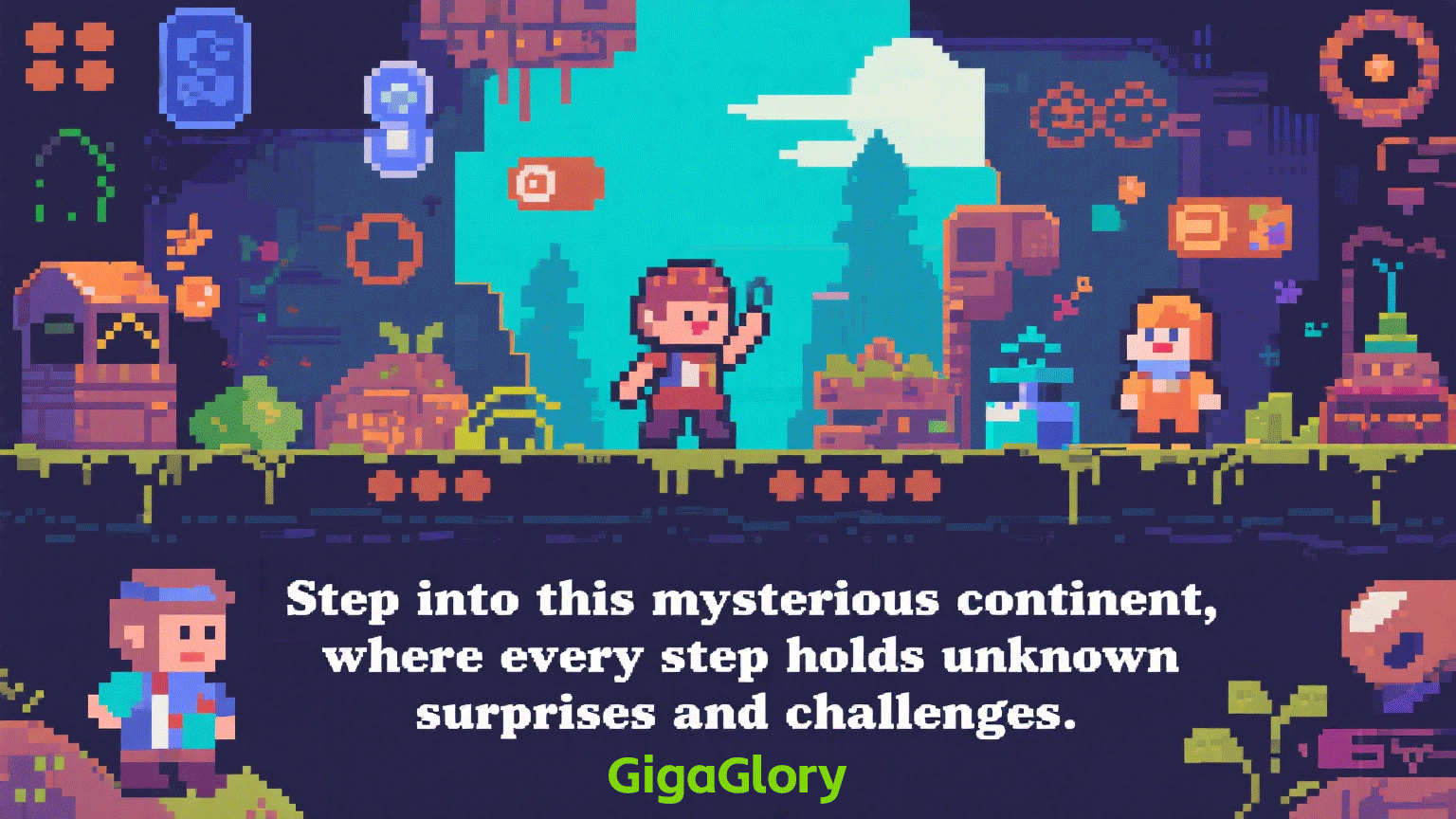
Exploring the Thrill: Adventure Games vs. Simulation Games – Which One Takes You Farther?
In the fast-paced digital world we live in, gaming has become a prime source of entertainment. Many people find themselves drawn to various game genres, notably adventure games and simulation games. But which one really provides that extra thrill? Let’s take a deep dive into these two captivating worlds to see how they measure up against one another.
Understanding Adventure Games
Adventure games are like a thrilling rollercoaster ride, providing players with intricate plots and immersive environments. They often demand not only quick reflexes but also critical thinking and strategizing. Whether you're fighting dragons in medieval landscapes or solving mysteries in a bustling city, adventure games are ideally designed to throw players into heart-pounding situations. Key characteristics include:
- Story-driven narratives: Most adventure games emphasize plot and character development.
- Exploration: Players can explore vast and imaginative worlds.
- Puzzles and challenges: Often complex, these can take time to solve, pushing players to think strategically.
Delving into Simulation Games
On the other hand, simulation games offer a more controlled and structured environment. These games allow you to recreate real-life activities, from managing a farm to building cities. The beauty of simulation games lies in their ability to mimic reality. Some characteristics include:
- Realism: They often aim to simulate real-life experiences closely.
- Strategic management: Players often have to manage resources and make critical decisions.
- Sandbox experience: Some games offer a limitless environment without strict goals, encouraging creativity.
Adventure vs. Simulation: The Big Showdown
So, which genre truly takes you farther? Let's break it down by comparing core elements.
| Aspect | Adventure Games | Simulation Games |
|---|---|---|
| Immersion | High, often through storytelling | Variable, depends on realism |
| Creativity | Encouraged within plots | Highly encouraged, especially in sandbox modes |
| Learning Curve | Can be steep, especially with complex puzzles | Usually gradual, rooted in realistic progression |
| Player Engagement | High emotional engagement | Engagement through challenge and reward systems |
The Social Aspect of Gaming
Let’s not forget about the social aspect! Gaming has evolved to become a community experience. Adventure games often allow for cooperative gameplay, where players can team up to solve mysteries together. On the flip side, simulation games sometimes include multi-player options where friends can collaborate on building complex worlds. This adds an exciting dimension to either genre.
ASMR in the Gaming Community
With the rise of ASMR (Autonomous Sensory Meridian Response) content, the gaming niche has also embraced this trend. Channels featuring ASMR showing a gamer room create an immersive experience for viewers. The soothing sounds of a gamer room can offer a fascinating journey into the lives of dedicated gamers, enhancing the overall gaming experience.
Strategies to Excel in Your Favorite Game Genres
If you’re looking to enhance your experience in either adventure or simulation games, here are some handy tips:
For Adventure Games
- Take your time to explore every nook and cranny.
- Engage with NPCs (non-playable characters) to enrich the story.
- Keep notes of key puzzles and their solutions.
For Simulation Games
- Experiment with different strategies and approaches to manage resources effectively.
- Participate in community forums to learn new techniques.
- Use in-game guides for complex mechanics.
Tips for Last War Game
Now, if you’re preparing for a competitive experience, like in a last war game, consider these strategies to increase your chances of victory:
- Create a balanced team of characters with various strengths.
- Study your opponents and adapt your strategies accordingly.
- Communicate effectively with your team to coordinate actions.
Exploring the Emotional Investment
Gaming is not just a pastime; it’s an emotional journey. Adventure games often tap into players' emotions through storytelling and character arcs. Players may feel a profound sense of victory upon defeating the obstacle. In contrast, simulation games offer a different type of satisfaction, rooted in achievement and progress. This emotional investment can lead to long-lasting memories, regardless of the genre.
Conclusion: Which Adventure Will You Choose?
Ultimately, whether you prefer the thrill of adventure games or the calculated approach of simulation games, both genres have their merit. Adventure games take you on a heartfelt journey filled with excitement and stories, whereas simulation games allow you to explore creativity and reality.
So, what's next for you? Do you want to dive headfirst into the intense scenarios of adventure games or craft your dream world in a simulation? The thrill lies in your choice.