Unlocking Creativity: Why Puzzle Games Are the Heart of Indie Game Development
The Rise of Puzzle Games in Indie Development
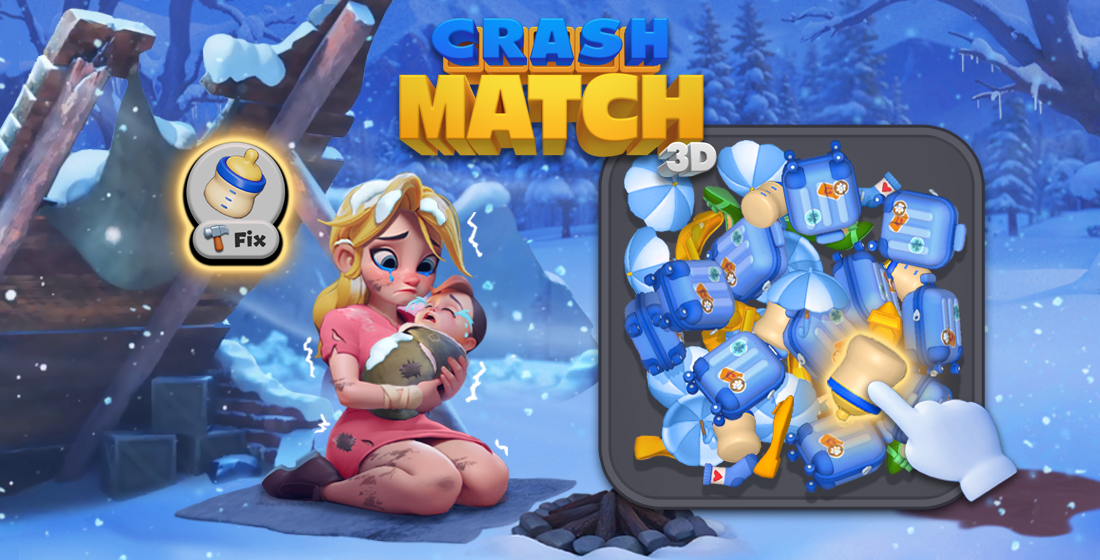
Puzzle games have carved a unique niche in the expansive world of indie game development. Their light-hearted yet engaging nature has attracted a diverse audience, empowering small developers to innovate creatively. These games often focus on match 3 story games, which are designed to captivate players with compelling narratives intertwined with gameplay mechanics.
What Makes Puzzle Games So Engaging?
- Simple Mechanics: Easy to learn but hard to master.
- Instant Gratification: Quick feedback loops keep players hooked.
- Strategic Depth: Encourage planning and critical thinking.
Puzzle Games: A Gateway for Indie Developers
For many indie developers, creating a puzzle game represents a low-risk way to enter the gaming industry. Compared to larger projects, puzzle games require fewer resources and can often be developed in shorter time frames. But what if you are asking, what are RPG games? Here’s a simple breakdown:
| Type of Game | Description | Examples |
|---|---|---|
| Puzzle Games | Focus on logical and strategic problem-solving. | Bejeweled, Candy Crush |
| RPG Games | Emphasize character development and storytelling. | The Witcher, Final Fantasy |
Innovation Blossoms Through Constraints
Limited budgets and resources can lead indie developers to think outside the box. To develop compelling puzzle games, they often emphasize creativity rather than conformity. The constraints can foster unique solutions and innovative gameplay mechanics that keep players coming back for more.
Storytelling in Puzzle Games
Story elements in puzzle games enhance player engagement significantly. For example, match 3 story games merge intricate narratives with puzzle mechanics, providing players with a more immersive experience. Players don’t just match blocks; they uncover ancient mysteries or save beloved characters.
Community Feedback: A Resourceful Tool
Indie game developers often rely on community feedback to refine their games. Platforms like itch.io allow developers to release early versions of their games and gather user feedback, enabling them to adjust gameplay mechanics in ways that matter. This feedback loop ensures that the final product not only meets but exceeds players' expectations.
The Emotional Connection: Why Players Love Puzzle Games
Puzzle games tap into our emotional side. They can stimulate feelings of nostalgia, joy, or even frustration. The rollercoaster of emotions experienced while playing fosters a deeper connection between the player and the game itself.
The Growth of Mobile Puzzle Games
With the advent of mobile gaming, the puzzle genre has seen exponential growth. This accessibility allows players to engage with these games anytime and anywhere, further driving their popularity. Mobile devices have opened the door for indie developers to reach broader audiences.
Future Trends in Puzzle Game Development
The future of puzzle games seems exciting! Innovations such as augmented reality and virtual reality are just beginning to infiltrate this genre. Developers are now experimenting with these technologies to create even more engaging experiences. Who wouldn’t love solving puzzles in their living room or on the go?
Learning from the Giants: Lessons from Established Success
While innovation is vital, learning from successful puzzle games can offer invaluable insights. Analyzing what made games like Candy Crush or Monument Valley popular can guide indie developers in their journey. Assessing aspects like level design, user interface, and marketing strategies can be the key to unlocking a successful game.
Building a Brand Around Puzzle Games
Establishing a recognizable brand can set a game apart in a crowded market. Developers can build their branding around unique storytelling, art styles, or community-driven events, fostering loyal player bases who eagerly await each new release.
The Role of Social Features
Integrating social features can elevate the puzzle gaming experience. Allowing players to share achievements, challenge friends, or collaborate in problem-solving can breathe new life into games. Social connections can motivate players to return, keeping the community vibrant and engaged.
Cross-Platform Play: Expanding Horizons
Cross-platform capabilities not only attract new players but also build a more cohesive gaming community. By allowing players on different platforms to interact, indie developers can expand their reach and promote longer engagement periods.
Combining Genres: The Best of Both Worlds
As puzzle games continue to evolve, the combination of genres has become a prevalent practice. Integrating RPG elements into puzzle games can create rich narratives alongside challenging puzzles, appealing to a wider audience and ensuring varied gameplay.
In Conclusion: The Heartbeat of Indie Development
Puzzle games represent not just a genre but a movement within indie game development. They are accessible yet profound, offering a platform for creativity and innovation. As we look to the future, it’s clear that these games will remain a vital force in the gaming industry. Whether through community engagement, storytelling, or emotional connection, they captivate and inspire both players and developers alike.