Why Simulation Building Games Are Transforming Our Approach to Virtual Creativity
Simulation building games have taken the world by storm, changing how we think about creativity in virtual spaces. These games, which allow players to construct their own environments, have contributed to a new wave of digital creativity that’s redefining entertainment. This article explores how these games, including examples like “EA Sports FC 24 Player Career Mode” and challenges like “Star Wars Blaster TV Game Last Level,” are shaping our interactions with technology.
The Rise of Simulation Games
Over the last decade, simulation games have gained immense popularity. They offer players the tools to create. From virtual cities to intricate landscapes, the possibilities are endless. This genre captivates the imagination and draws people in by letting them build from scratch.
Building Games: A Gateway to Creativity
Much more than just a gaming experience, building games serve as platforms for creativity. **Imagine** crafting your fantasy city or designing your dream house. This evokes a sense of accomplishment and satisfaction. Here are some key benefits of building games:
- Fosters creativity and innovation
- Encourages problem-solving skills
- Provides an outlet for self-expression
- Builds a sense of community among players
How Simulation Games Encourage Innovative Thinking
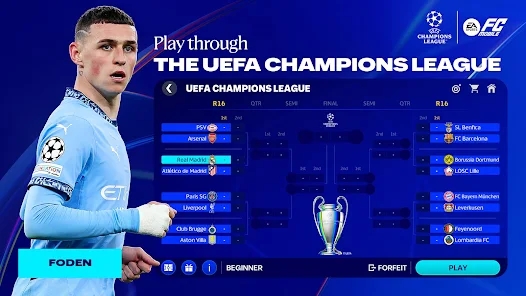
One of the most striking aspects is how they promote innovative thinking. Players must strategize, plan, and adapt as they face challenges within the game. Take, for example, the “EA Sports FC 24 Player Career Mode.” As players create their soccer careers, they have to make decisions similar to real-life athletes.
These simulation games make players think outside of the box. They have to weigh the consequences of each action, whether in constructing buildings or managing resources. This thought process mirrors real-world challenges, making players more adept at tackling creative problems.
Star Wars Blaster TV Game: An Interactive Experience
An interesting example is the “Star Wars Blaster TV Game Last Level.” This game blurs the line between simulation and action, providing a unique interactive experience. Players are not just observers; they are creators. They build their teams and strategies. This fosters a deeper emotional connection to the game and enhances overall gameplay.
As players work through various levels, they encounter problems requiring creative solutions. This kind of layered gameplay introduces complexities that challenge and engage users.
Creating Virtual Communities Through Simulation Games
Another remarkable element of simulation games is the ability to connect players. Communities form around shared interests and collaborative building projects. These spaces allow creativity to flourish and encourage **teamwork**.
With social platforms integrated into many games, players can share their creations, techniques, and strategies. They learn from each other, which fosters a culture of cooperative creativity. The effect of this collaborative effort is profound, as communal gameplay leads to exciting innovations and enhancements in game design.
Table: Key Benefits of Simulation Building Games
| Benefit | Description |
|---|---|
| Enhanced Creativity | Players can express their ideas and creativity freely. |
| Improved Problem-Solving Skills | Simulation games require strategic thinking to overcome challenges. |
| Community Building | Players connect and collaborate through shared experiences. |
| Real-World Applications | Many skills learned in-game can translate to real life. |
The Future of Simulation Games
As technology advances, simulation games will continue to evolve. Features like virtual reality (VR) and augmented reality (AR) are already beginning to enhance the gaming experience. Imagine designing in a 3D environment with full immersion—this is just the tip of the iceberg.
Developers will likely incorporate more educational elements into simulation games, appealing to a broader audience and creating more opportunities for learning through play.
Conclusion
Simulation building games are not just a trend but a revolution in how we approach creativity in virtual environments. They challenge us to think creatively, enhance our problem-solving skills, and connect us to a community of like-minded players. With increasing advancements, these games will play a significant role in shaping future generations of creatives. As we engage with these virtual worlds, we're not merely playing; we're creating new possibilities. So, whether you're a casual gamer or a hardcore enthusiast, these games offer a unique and transformative experience.